


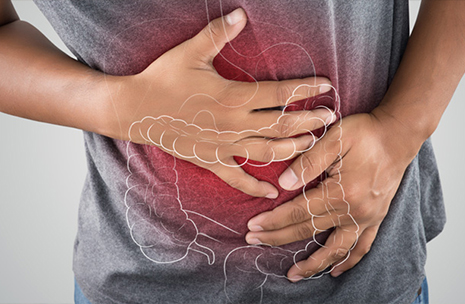
Irritable Bowel Syndrome(Ibs)
Irritable Bowel Syndrome is a gastrointestinal-related digestive disorder in which the large intestine is affected. The portion of the intestinal tract that runs from the stomach to the anus is divided into the small intestine and the large intestine. The large intestine is also known as the large bowel or colon, which is the last part of the digestive system in the gastrointestinal tract and vertebrates that end with the anus. The large intestine absorbs moisture and water from food residues and the remaining waste material is excreted as feces. The wall of the large intestine consists of a layer of muscle. By this, when this food is sent to the digestive system, then this muscle shrinks but when due to any reason these muscles start to shrink more than normal, the stomach of the person gets swollen. Inflammation leads to a weakening of the large intestine due to which it is not able to send food properly to the digestive system, causing the person to have irritable bowel syndrome. This disorder is usually long-term. In this case, a person has a large intestine, by which food comes out of the intestines rapidly or slowly due to which the person has problems like constipation or frequent diarrhea
IBS In Ayurveda:
IBS can be considered under vishtabdajeerna, bayatisara or grahani. Here the pakwasayagatavata (samana and apana) got vitiated in rasa dhatu and inturnpureeshavahasrothas creating atipravrthi or sanga .
Causes :
- Problem in the link between gut and brain: The link between gut and brain often gets disturbed in IBS. As a result, the altered brain-gut interaction results in an increased sensitivity to pain and abnormal bowel movements.
- Gastrointestinal infections: Some people suffer from IBS following a severe infection of the gastroenteritis, an illness called post-infectious IBS.
- Stress: Psychological stress and anxiety lead to some symptom manifestations of IBS, thus the strong association between mental states and GI functions.
- Food intolerances: Most people afflicted with IBS are sensitive to specific foodstuffs, and the symptoms will manifest themselves upon consumption of such foodstuffs.
Main Symptoms :
IBS symptoms are believed to result from abnormal contractions of intestinal muscles, changes in gut microbiota, and increased sensitivity to gut distension and pain.
- Abdominal Pain and Cramping: Often described as sharp, stabbing, or a dull ache, that typically gets better after defecation.
- Bloating: Continuous distension of the abdomen due to stasis of gas.
- Alternating Diarrhea/Constipation: Having loose, fluid stools at times and solid, pellet-like stools others, or one more frequently.
- Mucus in Stool: Very common but irritating symptom.
- Inadequate Emptying: Feeling that your bowel movements are not satisfactorily completed.
Onset Of Symptoms After Age 50 :
- Weight loss.
- Rectal bleeding.
- Fever.
- Nausea or repeated vomiting.
- Belly pain, especially if it’s not related to passing stool, or occurs at night.
- Diarrhea that is ongoing or awakens you from sleep.
- Anemia related to low iron.
Treatment :
The treatment aims at empowerment of agni, normalization of movement of vata, and
management of stress. Treatment includes oral medications and panchakarma therapies
like snehavasti, avagahaswedana ,murdanithailas, etc depending on the patient’s
conditions.
Treatment of IBS focuses on relieving symptoms so that you can live as symptom-free as
possible.
Mild symptoms often can be controlled by managing stress and by making changes in diet and lifestyle. Try to:
- Stay away from foods that trigger symptoms.
- Eat high-fiber foods.
- Drink plenty of fluids.
- Exercise regularly.
- Get enough sleep.