


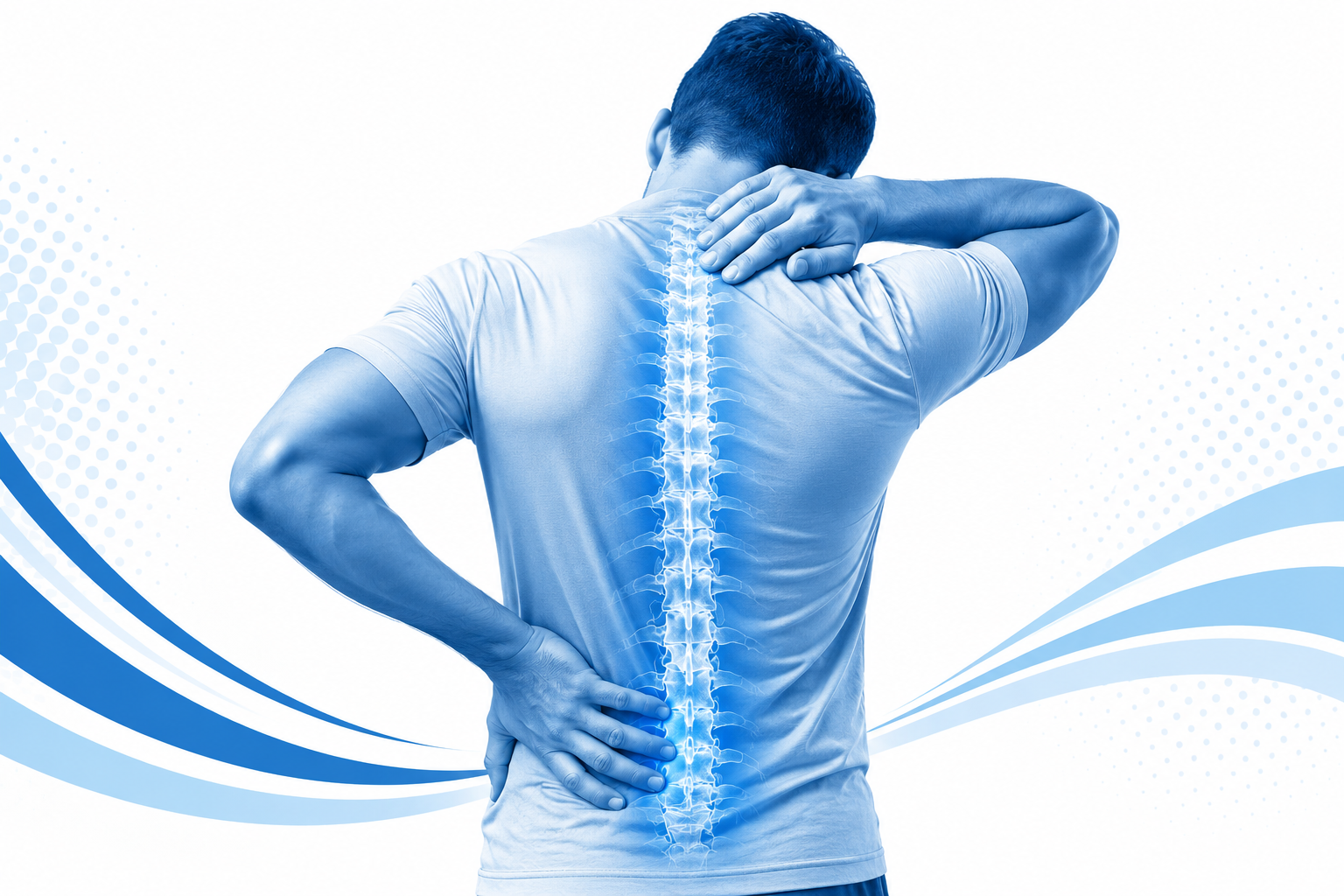
Back pain rarely shows up the same way twice. A dull ache after a long drive feels nothing like the sharp, shooting pain that runs down your leg, yet both are labeled “back pain.” Understanding the types of back pain and what each one means is the first step toward getting the right diagnosis and the right treatment, instead of guessing with painkillers and hoping it goes away.
At Edamanasserry Spine Hospital in Coimbatore, we meet people every week who have lived with back pain for months because they assumed all back pain was the same. It isn’t. This guide breaks down back pain types explained by location, duration, and underlying cause, so you can recognize what your body is telling you and know when it’s time to see a specialist.
Why Understanding Back Pain Types Matters
Back pain is not one condition; it is a symptom with many possible sources, from a strained muscle to a compressed nerve. Treating every ache the same way often masks the real problem.
Learning how to identify back pain symptoms helps you describe your pain accurately to a doctor and decide whether home care is enough, or whether you need evaluation at a spine specialist center.
Different Types of Back Pain by Location
Location is usually the first clue in narrowing down a diagnosis. The different types of back pain generally fall into three regions.
Upper Back Pain
Upper back pain sits between the base of the neck and the bottom of the rib cage. It’s less common than lower back pain but still disruptive.
Common upper back pain symptoms include:
- A burning or aching sensation between the shoulder blades
- Stiffness that worsens with prolonged sitting or screen time
- Muscle knots that feel tender to touch
- Pain that radiates toward the shoulder or neck
Poor posture, desk jobs, and heavy bags are frequent culprits. Long hours hunched over a laptop or phone put constant strain on the thoracic spine, which is why IT professionals and students report this type so often.
Middle Back Pain
Middle back pain, or thoracic pain, is felt around the mid-spine. Because the ribs attach here, breathing or twisting can sometimes worsen the discomfort. It’s frequently linked to poor posture, disc degeneration, or in rare cases, referred pain from internal organs.
Lower Back Pain
Lower back pain is the most common type, affecting the lumbar region. It can range from a mild, nagging ache to pain so severe it limits walking or standing.
Understanding lower back pain causes and treatment starts with identifying the trigger — muscle strain, disc bulge, sciatica, or joint degeneration — since each requires a different care plan. Our detailed guide on non-surgical treatment options for back pain explains how Ayurvedic therapies address these root causes without surgery.
Causes of Upper and Lower Back Pain
The causes of upper and lower back pain often overlap but also differ in important ways.
Common causes include:
- Muscle strain – lifting incorrectly or sudden awkward movements
- Poor posture – prolonged sitting or unsupportive furniture
- Disc problems – bulging or herniated discs pressing on nerves
- Degenerative conditions – spondylosis or arthritis affecting spinal joints
- Sciatica – nerve compression causing pain down one leg
- Injury or trauma – falls, accidents, or sports impact
- Sedentary lifestyle – weak core muscles that fail to support the spine
If a bulging disc is suspected, our article on Ayurvedic treatment for disc problems explains how these cases are managed without invasive surgery. Nerve-related pain, in particular, is covered in depth in our piece on sciatica and how it develops.
Chronic Back Pain vs Acute Back Pain
Duration is just as important as location when identifying back pain types.
Acute back pain appears suddenly, usually after an injury or strain, and typically resolves within a few days to six weeks with rest and proper care.
Chronic back pain persists for more than twelve weeks, even after the original cause seems to have healed. It’s often tied to underlying degenerative changes, nerve involvement, or unaddressed postural habits.
Comparing chronic back pain vs acute back pain helps determine urgency. Acute pain often responds well to rest, gentle movement, and short-term care. Chronic pain, on the other hand, usually needs a structured, long-term treatment plan — something we discuss in our guide on lumbar spondylosis in Coimbatore’s working professionals.
How to Identify Back Pain Symptoms
Recognizing patterns in your pain helps you and your doctor pinpoint the cause faster. Pay attention to:
- When the pain started and what you were doing
- Whether it’s constant or comes and goes
- If it radiates to your legs, arms, or chest
- Whether certain positions relieve or worsen it
- Any accompanying numbness, tingling, or weakness
These observations form the foundation of a proper back pain diagnosis guide, giving your doctor a clearer picture before any physical examination or imaging is done.
When Back Pain Is Serious
Most back pain improves with rest, gentle stretching, and time. However, knowing when back pain is serious can prevent complications.
Seek medical attention immediately if you experience:
- Numbness or weakness in the legs
- Loss of bladder or bowel control
- Fever accompanying the back pain
- Pain following a significant fall or accident
- Unexplained weight loss alongside persistent pain
- Pain that worsens at night or doesn’t improve after two weeks
These signs may point to nerve compression, infection, or a more serious spinal condition that requires prompt evaluation, not home remedies.
Back Pain Treatment Options
Once the type and cause of your pain are identified, treatment can be targeted rather than generic. Common back pain treatment options include:
- Physiotherapy and exercise therapy – strengthens supporting muscles and improves flexibility
- Ayurvedic therapies – including Abhyangam, Kizhi, and Vasthi, which reduce inflammation and improve mobility naturally
- Posture correction and ergonomic changes – especially for desk-based professionals
- Medication or pain management – for short-term relief during flare-ups
- Surgery – reserved for severe cases where conservative care hasn’t worked
At Edamanasserry Spine Hospital, our Ayurvedic approach focuses on treating the root cause rather than masking symptoms, which is why many patients avoid surgery altogether. If you’re comparing facilities, our guide on choosing the right back pain hospital walks through what to look for in long-term spine care.
Frequently Asked Questions
1. What are the main types of back pain? Back pain is classified by location (upper, middle, lower) and duration (acute or chronic), with causes ranging from muscle strain to disc problems and nerve compression.
2. How can I tell if my back pain is serious? Warning signs include numbness, leg weakness, loss of bladder control, fever, or pain that doesn’t improve after two weeks — these need prompt evaluation.
3. Is lower back pain always caused by a disc problem? No. It can stem from muscle strain, poor posture, joint degeneration, or sciatica, in addition to disc-related issues, so an accurate diagnosis matters.
4. What’s the difference between chronic and acute back pain? Acute pain lasts days to a few weeks and often resolves with rest, while chronic pain persists beyond twelve weeks and usually needs a structured plan.
5. Can Ayurveda treat different types of back pain effectively? Yes. Ayurvedic therapies address inflammation, muscle tension, and nerve compression through personalized protocols, often helping patients avoid or delay surgery.
Final Thoughts
Back pain is complex, but it isn’t a mystery once you understand the patterns behind it. Recognizing the types of back pain and what each one means — by location, cause, and duration — puts you in a far better position to seek the right care at the right time, rather than living with discomfort that quietly worsens.
If your back pain has lasted more than a few weeks, or if you’re unsure which type you’re dealing with, don’t wait for it to get worse. Our specialists at Edamanasserry Spine Hospital, Coimbatore, can help you get an accurate diagnosis and a treatment plan built around your specific condition.
Book Your Appointment Today → 9087015557