


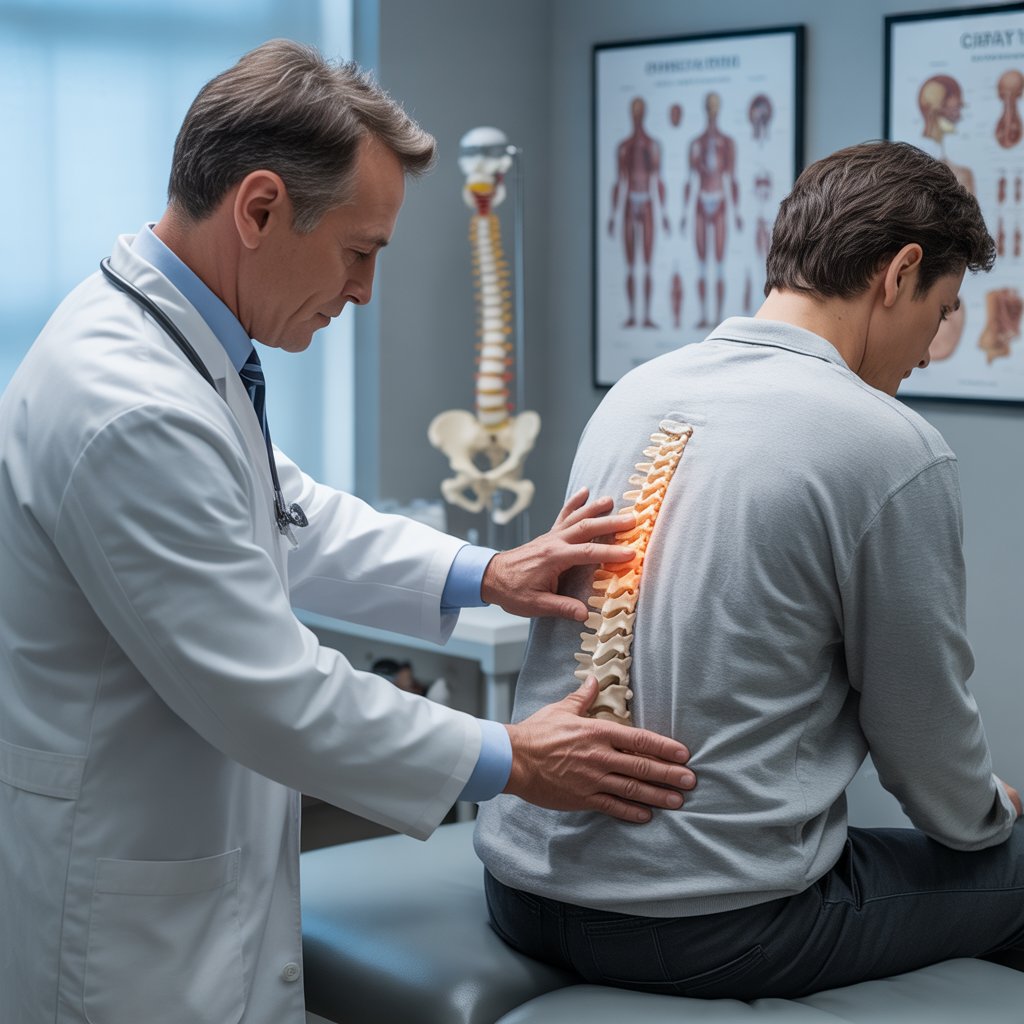
SCATICA Explained: What It Is, Why It Happens & How It’s Treated
SCATICA is a common condition affecting millions worldwide, causing pain, numbness, and discomfort in the lower back and legs. Understanding SCATICA symptoms, their causes, and available treatment options is essential for maintaining spinal health and improving quality of life. Whether you are seeking Ayurvedic remedies, physiotherapy, or conventional medical treatments, this guide provides a clear overview for both domestic and international audiences.Why Understanding SCATICA Matters
SCATICA occurs when the sciatic nerve, the longest nerve in the body, is compressed or irritated. This can lead to:- Lower back pain
- Pain radiating down the legs
- Tingling, numbness, or weakness in the legs
Common SCATICA Symptoms
Recognizing the signs of SCATICA helps in seeking timely treatment. Typical symptoms include:- Sharp or burning pain in the lower back and leg
- Numbness or tingling sensations along the sciatic nerve pathway
- Weakness in the legs or feet
- Difficulty standing or walking for extended periods
Causes of SCATICA
SCATICA can develop due to several underlying conditions:- Herniated disc: A common cause where the disc presses on the sciatic nerve.
- Spinal stenosis (narrowing of the spinal canal)
- Degenerative disc disease
- Piriformis syndrome or muscle inflammation
- Injury or trauma to the lower back
Conventional and Ayurvedic SCATICA Treatment
Treatment options vary based on the severity and underlying cause:1. Ayurvedic Treatments
Ayurveda offers natural approaches to relieve SCATICA symptoms and improve spinal health:- Abhyanga (therapeutic oil massage): Reduces inflammation and improves circulation
- Panchakarma therapies: Detoxification procedures that support nerve and muscle health
- Herbal remedies like Ashwagandha, Shallaki, and Guggulu to reduce pain and strengthen nerves
2. Physiotherapy and Exercise
- Core strengthening exercises to support the lower back
- Stretching routines targeting hamstrings and hip flexors
- Low-impact activities like yoga, swimming, or walking
3. Conventional Medical Treatments
- Pain relief medications (NSAIDs, muscle relaxants)
- Epidural steroid injections for severe inflammation
- Surgery in rare cases (e.g., severe herniated disc causing nerve compression)
Lifestyle Tips to Prevent or Manage SCATICA
- Maintain good posture while sitting and standing
- Avoid lifting heavy objects incorrectly
- Use supportive chairs and mattresses
- Maintain a healthy weight to reduce pressure on the spine
- Practice regular exercise and Ayurvedic self-care routines
When to Seek Professional Help
Consult a healthcare professional if you experience:- Persistent lower back pain lasting more than a few weeks
- Weakness or numbness in the legs
- Loss of bladder or bowel control
- Severe or worsening pain