

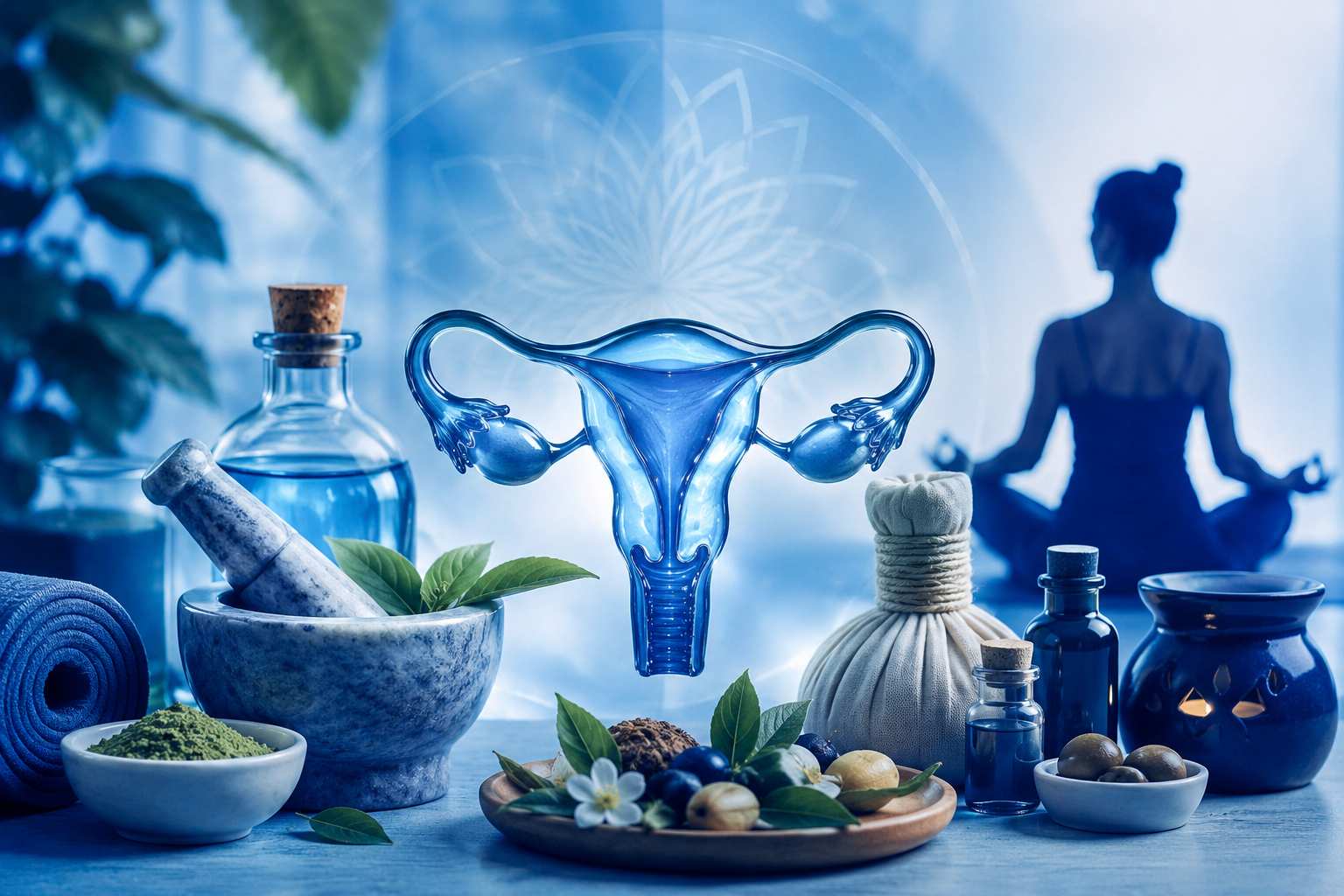
PCOD and Ayurveda in 2026 are gaining global attention as more women search for holistic and sustainable ways to manage hormonal health. While medications such as Metformin continue to be commonly prescribed for Polycystic Ovarian Disease (PCOD), many women are now exploring Ayurveda, lifestyle modification, and Panchakarma therapies to support long-term wellness naturally.
Across India and internationally, healthcare trends are shifting toward integrative treatments that focus not only on symptom control but also on improving overall health, emotional balance, metabolism, and reproductive wellness.
Understanding PCOD in Today’s Lifestyle
PCOD is a hormonal condition affecting women during reproductive years. It is commonly linked to:
- Irregular menstrual cycles
- Weight gain
- Acne and oily skin
- Hair thinning or excessive hair growth
- Insulin resistance
- Fertility-related concerns
- Mood fluctuations and stress
Modern lifestyle habits such as unhealthy eating patterns, high stress levels, lack of sleep, and reduced physical activity contribute significantly to the increasing prevalence of PCOD worldwide.
This is one of the reasons why many women are now considering Ayurveda Treatment for PCOD alongside conventional medical care.
Why Many Women Are Looking Beyond Metformin
Metformin is widely used to improve insulin sensitivity in women with PCOD. Although it can help manage symptoms for some patients, others may experience side effects including:
- Digestive discomfort
- Nausea
- Fatigue
- Bloating
- Long-term dependency concerns
As awareness around holistic healthcare grows, many women are seeking complementary approaches that focus on root-cause management rather than temporary symptom relief.
This has contributed to the growing popularity of Ayurvedic wellness therapies in 2026.
How Ayurveda Understands PCOD
According to Ayurveda, PCOD is often associated with imbalances in the body’s doshas, especially Kapha and Vata. Ayurveda focuses on restoring internal balance through natural healing methods.
The Ayurvedic approach generally includes:
- Improving digestion and metabolism
- Supporting hormonal balance
- Reducing toxin accumulation
- Enhancing reproductive health
- Managing stress and sleep quality
Unlike generalized treatment methods, Ayurveda Treatment for PCOD emphasizes personalized care based on body constitution, lifestyle, and individual health conditions.
Lifestyle Modification: The Core of Ayurvedic Healing
One of the most important aspects of PCOD and Ayurveda in 2026 is lifestyle correction. Ayurveda strongly believes that long-term healing begins with healthy daily habits.
Balanced Nutrition
Women with PCOD are often advised to consume foods that support metabolism and hormonal health.
Recommended dietary habits may include:
- Fresh vegetables and fruits
- Fiber-rich foods
- Whole grains
- Warm and freshly prepared meals
- Herbal teas
- Healthy proteins and fats
Processed foods, excessive sugar, and unhealthy eating patterns are generally minimized to support hormonal stability.
Stress Reduction
Stress can significantly affect hormonal health. Ayurvedic wellness routines often encourage:
- Meditation
- Yoga
- Breathing exercises
- Proper sleep routines
- Mindfulness practices
Reducing stress levels may positively impact menstrual regularity and emotional wellbeing.
Regular Physical Activity
Daily movement plays an important role in managing insulin resistance and maintaining a healthy weight. Walking, yoga, stretching, and low-impact exercise are commonly recommended.
Many women who combine exercise with Ayurveda Treatment for PCOD report improvements in energy, sleep quality, and menstrual balance.
What Panchakarma Offers for PCOD and PCOS
In 2026, one of the most discussed Ayurvedic wellness therapies is Panchakarma for PCOS and PCOD management.
Panchakarma is a traditional Ayurvedic detoxification process designed to remove toxins and restore balance within the body.
Potential Benefits of Panchakarma
- Improved metabolic function
- Stress reduction
- Hormonal balance support
- Better digestion
- Detoxification support
- Enhanced reproductive wellness
These therapies are typically customized according to individual health conditions and Ayurvedic assessment.
Common Panchakarma Therapies
Virechana
A detoxification therapy focused on cleansing and improving metabolic balance.
Basti Therapy
Medicated therapies used to support Vata balance and reproductive health.
Abhyanga
Therapeutic oil massage that promotes relaxation and circulation.
Shirodhara
A calming therapy involving the gentle flow of medicated oil on the forehead to reduce stress and improve emotional wellbeing.
Women exploring Panchakarma for PCOS often seek these therapies for holistic wellness support alongside lifestyle management.
Can Ayurveda Support Fertility Wellness?
Fertility concerns are common among women with PCOD. Ayurveda focuses on supporting reproductive wellness naturally through improved metabolism, stress reduction, and balanced daily routines.
Although results vary between individuals, many women combine Ayurvedic therapies with modern medical guidance for a more integrated healthcare approach.
Consultation with qualified healthcare professionals is essential before beginning any treatment program.
The Global Shift Toward Holistic Women’s Healthcare
Healthcare trends in 2026 increasingly focus on preventive care, personalized wellness, and integrative treatment methods. Women across India, the Middle East, Europe, and North America are becoming more interested in natural approaches for managing lifestyle-related hormonal conditions.
The growing interest in PCOD and Ayurveda in 2026 reflects this broader movement toward sustainable wellness and long-term health management.
Important Things to Remember
Before beginning Ayurvedic therapies:
- Consult qualified Ayurvedic doctors or healthcare providers
- Avoid self-medication
- Follow personalized diet and wellness plans
- Maintain regular medical checkups
- Combine therapies with healthy lifestyle habits
Ayurveda works best when practiced consistently as part of a balanced lifestyle.
Final Thoughts
PCOD and Ayurveda in 2026 highlight the growing demand for holistic healthcare solutions that go beyond temporary symptom management. Through lifestyle modification, stress management, nutritional balance, and therapies like Panchakarma for PCOS, Ayurveda offers a supportive and natural wellness approach for women’s hormonal health.
While modern medicine remains important for diagnosis and medical supervision, many women are now integrating Ayurvedic care into their long-term wellness journeys. Personalized care, healthy routines, and expert-guided Ayurveda Treatment for PCOD may help improve overall wellbeing and quality of life.
Book a Consultation Today
📞 Call Now: +91 9645888833
🌐 Website: https://e-spinehospital.com/
Get expert guidance for holistic wellness, lifestyle management, and Ayurvedic healthcare support.