

Anaemia
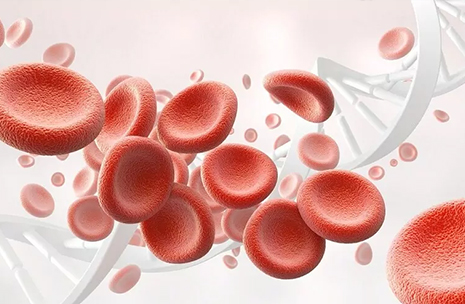
Anemia is defined as a low number of red blood cells.
Hemoglobin is the main protein in your red blood cells. It carries oxygen and
delivers it throughout your body. If you have anemia, your hemoglobin level
will be low, too. If it is low enough, your tissues or organs may not get enough
oxygen.
Women are at risk of iron-deficiency anemia because of blood loss from their periods and higher blood supply demands during pregnancy.
Causes :
You can lose red blood cells through bleeding. This can happen slowly over a long period of time, and you might not notice. Causes can include:
- Gastrointestinal conditions such as ulcers, hemorrhoids, gastritis (inflammation of your stomach), and cancer
- Heavy menstruation – This can be linked to fibroids
- Post-trauma or post-surgery
- A diet without enough iron, especially in infants, children, teens, vegans, and vegetarians
- Certain drugs, foods, and caffeinated drinks
- Digestive conditions such as Crohn’s disease, or if you’ve had part of your stomach or small intestine removed
- Donating blood often
- Endurance training
- Pregnancy and breastfeeding using up iron in your body
- A common cause is chronic slow bleed, usually from your digestive system
Symptoms :
Depending on the cause of the anemia, symptoms may include:
- Fatigue or shortness of breath
- Dizziness, lightheadedness, or feeling like you are about to pass out
- A fast or unusual heartbeat
- A headache
- Pain, including in your bones, chest, belly, and joints
- Problems with growth, for children and teens
- Skin that’s pale or yellow
- Cold hands and feet
- Weakness
Severe anaemia symptoms:
- Brittle nails
- Mouth ulcers
- Loss of sexual interest
- For women, increased menstrual bleeding
- An inflamed or sore tongue
- While at rest or with little activity, shortness of breath
- Getting lightheaded when you stand up
- Pale skin color
- Pica syndrome, or the desire to eat non-food things such as ice
- Blue color to the whites of the eyes
Ayurvedic View :
According to Ayurveda, Iron deficiency anemia can be co- related to pandu roga on the basis of pandu varna of skin ,nails and eyes and rakta alpata ie. low levels of healthy red blood cells and haemoglobin in the blood. Pandu roga has been divided into many types on the basis of dosha predominance and causative factors. Pandu roga is predominantly a result of pitta dosa vitiation along with other dosas.
Treatment :
To treat anemia, eat an iron-rich diet. If you don’t eat enough iron, your body can become iron-deficient. Ayurveda treatments like
- Shodhana – This involves eliminating the factors that cause the disease by giving the patient emetic and purgative drugs.
- Diet – After Shodhana, the patient should eat a wholesome diet that includes old shali type of rice, Yava, Godhuma mixed with the Yusha of mudga, Adhaki, and Masura.
- Shamana – This is a palliative treatment that corrects deficiencies or abnormalities and treats related symptoms.
- Basti Chikitsa – This treatment can increase hemoglobin levels and improve digestion and metabolism.